
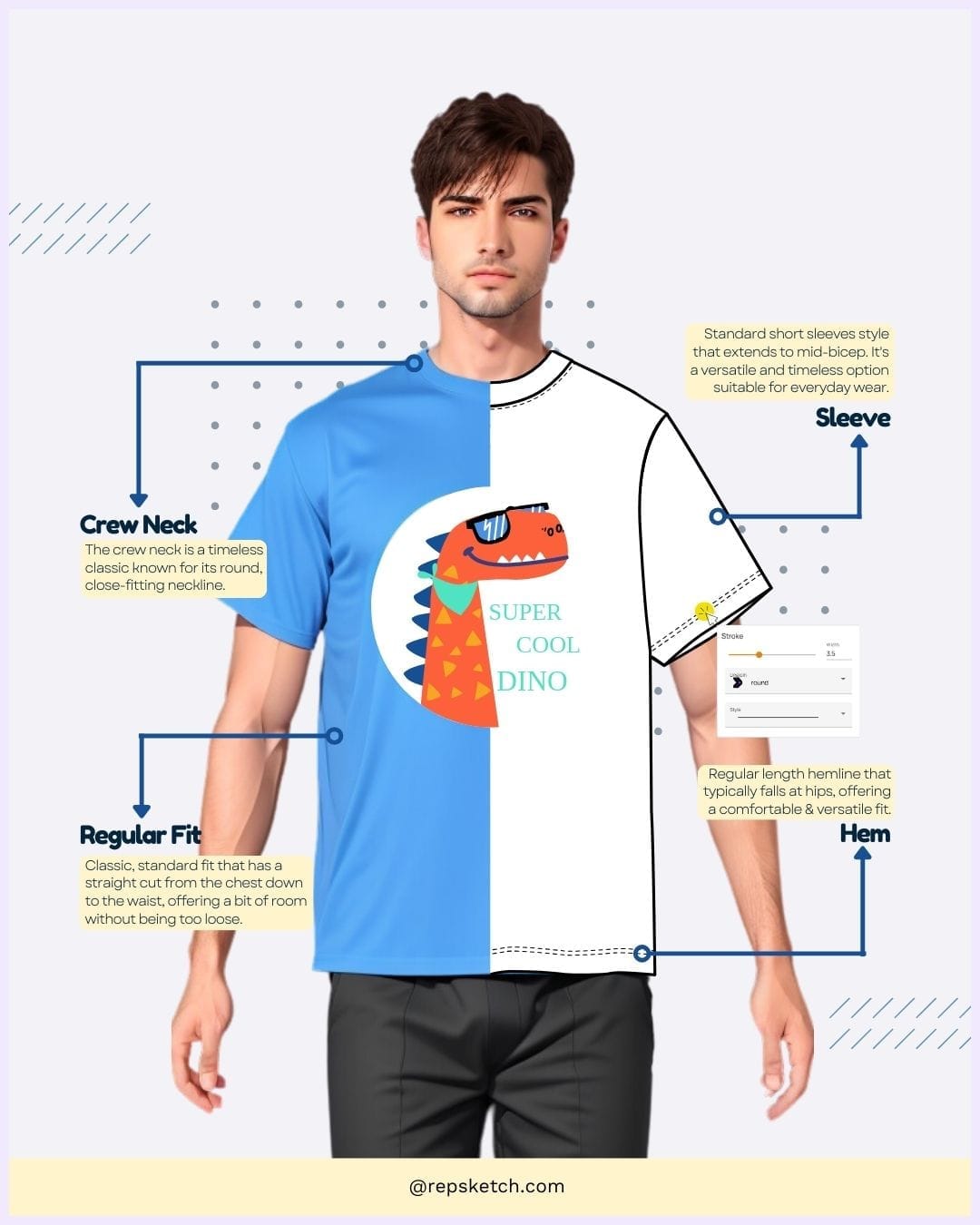
Contents
Introduction
T-shirts are one of the most versatile and popular clothing items in the fashion world. Their simplicity makes them a perfect canvas for creative designs. According to Statista, the global T-shirt market is a multi-billion-dollar industry. Their simple structure makes them an excellent starting point for designers.
During a T-shirt design process, technical drawings or illustrations are essential to transform your creative ideas into visual representations that guide the production of garments. Digital vector drawing, in particular, offer precision and scalability, making them perfect for fashion design.
In this blog post, we've covered everything you need to learn about drawing technical sketches and mock-ups of your T-shirt design to ensure you produce high-quality garments with your manufacturer. Let's dive into it-
Understanding the Basics of T-Shirt Design
Before diving into creating stunning T-shirt sketches, it's essential to grasp the basics of T-shirt design. This section will cover everything you need to know, from the anatomy of a T-shirt and key points of measurement to the various types of T-shirts available. Understanding these fundamentals will provide a solid foundation for your designs, ensuring accuracy and versatility as you bring your creative ideas to life.
Anatomy of a T-Shirt
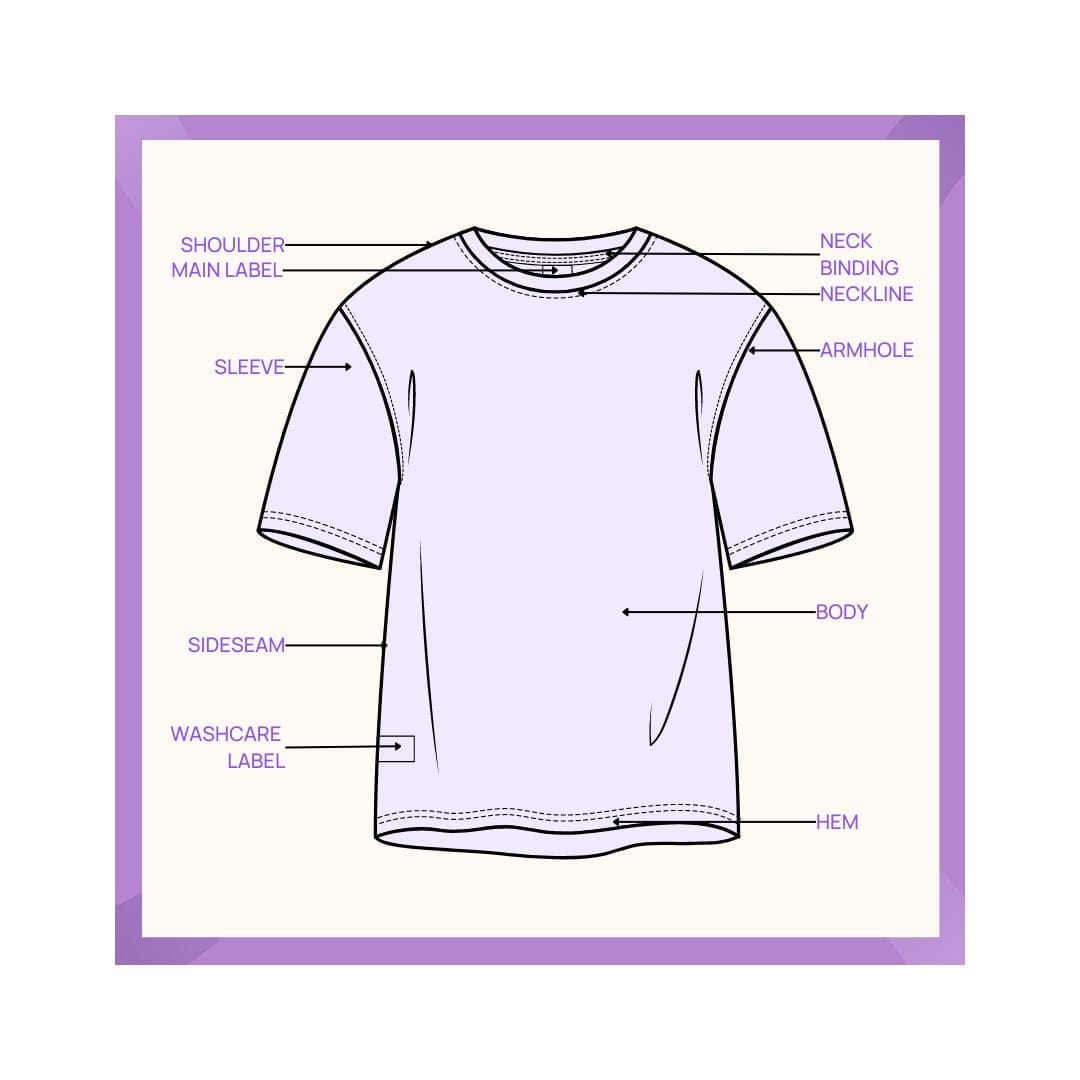
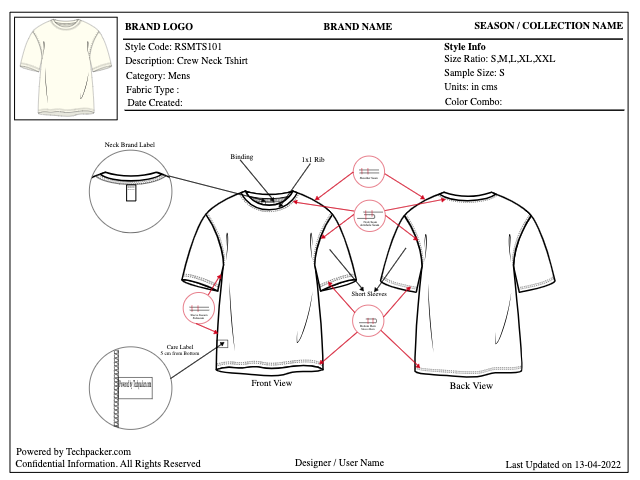
The anatomy of a T-shirt refers to its different components and parts that make up the garment's overall structure and design. Understanding the T-shirt anatomy is essential for designers, manufacturers, and consumers alike. Here are the key components of a typical T-shirt:
Body: The body of the T-shirt refers to the main fabric panel that covers the torso. It can be a single piece of fabric or consist of two front and back panels stitched together at the shoulders and sides.
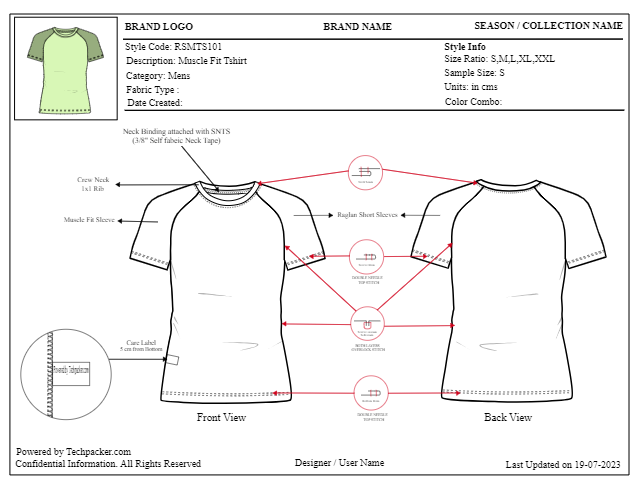
Sleeves: T-shirt sleeves are the portions of the garment that cover the arms. The most common type of sleeve on a T-shirt is short sleeves, but there are also T-shirts with long sleeves or no sleeves (sleeveless).
Neckline: The neckline is the opening at the top of the T-shirt that goes around the neck. There are various types of necklines, including crew neck (round), V-neck, scoop neck, henley, and more.
Hem: The hem is the finished edge of the fabric at the bottom of the T-shirt, typically folded and stitched to prevent fraying.
Shoulders: The shoulder area refers to the part of the T-shirt where the body and sleeves are connected. The seam that joins these sections is called the shoulder seam.
Side Seams: The side seams run vertically along the sides of the T-shirt, connecting the front and back panels. Side seams give the garment its shape and structure.
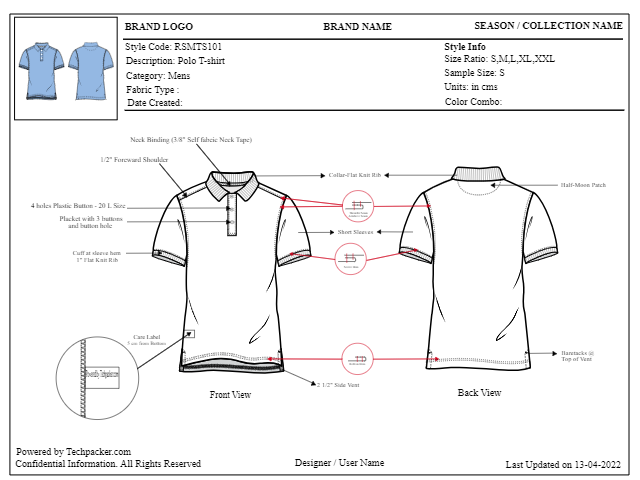
Collar: The collar is the part of the neckline that stands up and encircles the neck. It is more commonly seen on certain T-shirt styles like polo shirts or henleys.
Main Label: It is a small piece of fabric sewn inside the back of the T-shirt, typically providing information about the brand, size, care instructions, and fabric content.
Armhole: It refers to the opening or space in a garment where the sleeve is attached to the body. It's the opening through which your arm goes when you put on the garment.
Wash Care Label: Some T-shirts may have a small tag or label sewn into the lower left or right side seam, displaying the wash care details.
Neck Binding: It is a binding trim around the neckline. A strip of fabric is sewn around the neckline to provide both functional reinforcement and a finished, polished appearance.
Points of Measurement
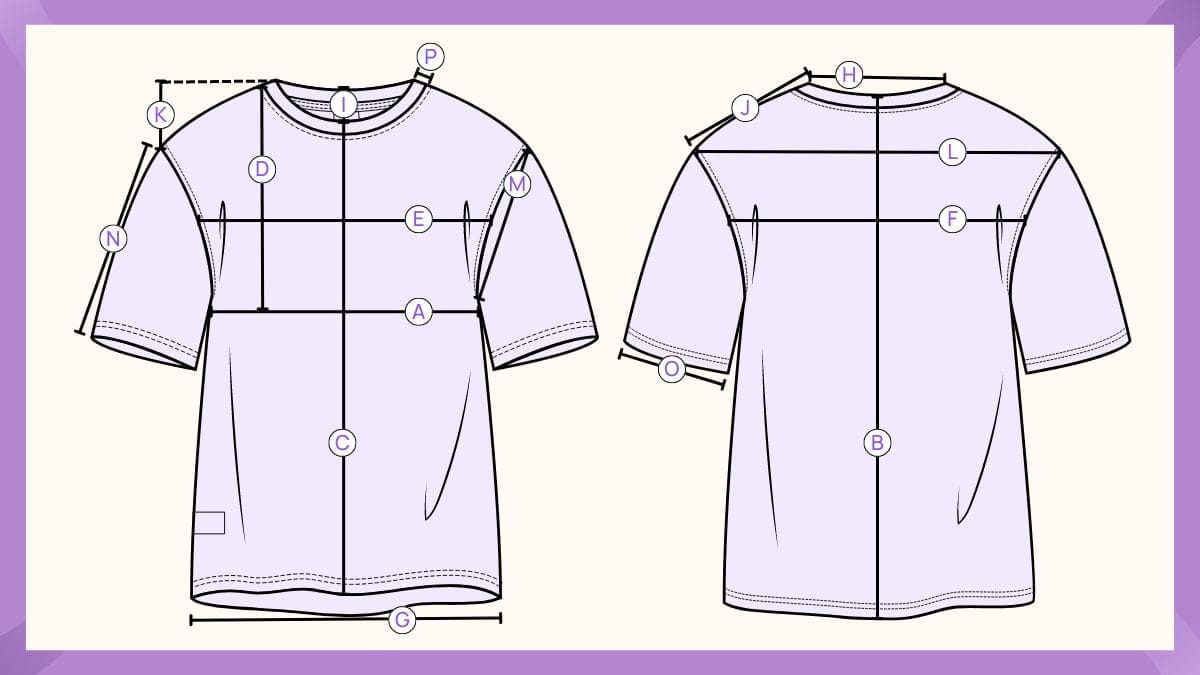
Accurate points of measurement are vital when drawing T-shirt sketches. They ensure the design translates seamlessly from sketch to final product, maintaining correct proportions and fit. Mastering these measurements helps create realistic and precise sketches, which are essential for effective communication and successful garment production.
A - Chest Width: Measured horizontally from underarm seam to seam at the fullest part of the chest, indicating how the garment will fit around the bust and chest.
B - CB Length: Measured vertically from the base of the neck to the bottom hem, indicating the garment's length from the back.
C - CF Length: Measured vertically from the base of the neck to the front hem, indicating the garment's length from the front.
D - Chest Height: Measured vertically from the shoulder's highest point to the chest level of the garment.
E - Across Front: Measured horizontally across the front from underarm seam to underarm seam, indicating the garment's width around the chest or bust.
F - Across Back: Measured horizontally across the back from one armhole seam to the other, indicating the garment's width across the shoulders.
G - Bottom Width: Measured horizontally across the bottom hem from one side seam to the other.
H - Neckline Width: Measured horizontally across the neckline from shoulder seam to shoulder seam, indicating the width of the neckline opening.
I - CF Neckline Drop: Measured vertically from the base of the neck down the center front, indicating how low the neckline drops.
J - Shoulder Length: Measured horizontally from one outer shoulder point to the other, indicating the width of the shoulders.
K - Shoulder Slope: Measured diagonally from the highest shoulder point to the center back neckline, indicating the shoulder's angle.
L - Shoulder Width: Measured horizontally across the back from one shoulder point to the other, indicating the width of the shoulders.
M - Armhole Straight: Measured vertically from the highest shoulder point to the base of the armhole, indicating the armhole's depth and positioning.
N - Sleeve Length: Measured from the highest shoulder point down the arm to the desired length, indicating the sleeve's length.
O - Bottom Sleeve Width: Measured horizontally around the bottom edge of the sleeve at the wrist area.
P - Neckline Piping Width: Measured along the edge of the piping that outlines the neckline, adding structure and visual interest.
Types of a T-Shirt
T-shirts come in a wide variety of styles, each offering unique features and fits. From classic crew necks and versatile V-necks to trendy oversized and athletic tees, understanding the different types can help you choose the perfect design for any occasion. This section will explore the most popular T-shirt styles and their distinctive characteristics, providing insights into their versatility and appeal.
Types of T-shirts based on Fit:
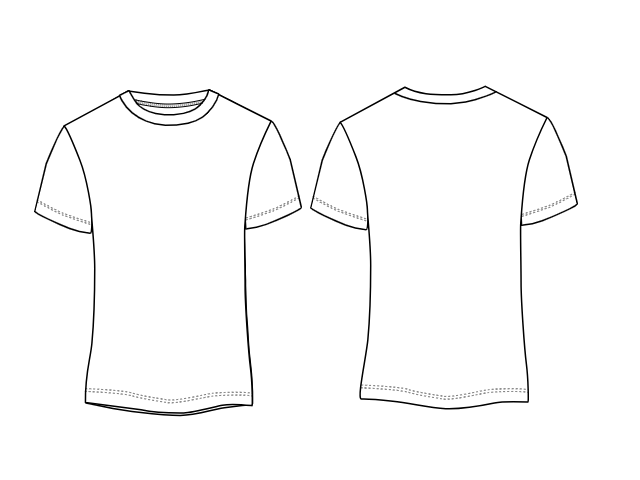
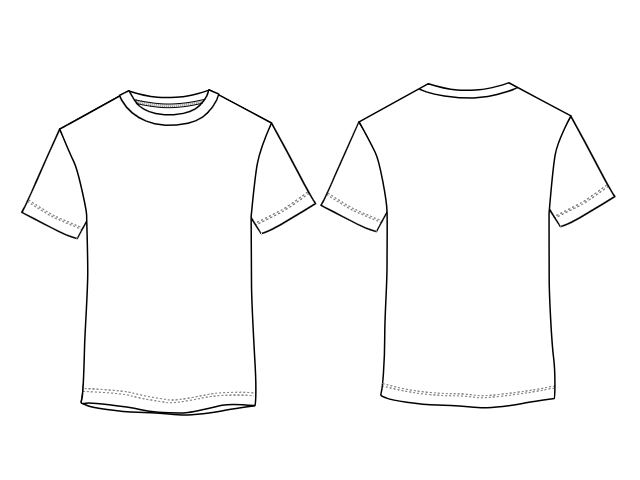
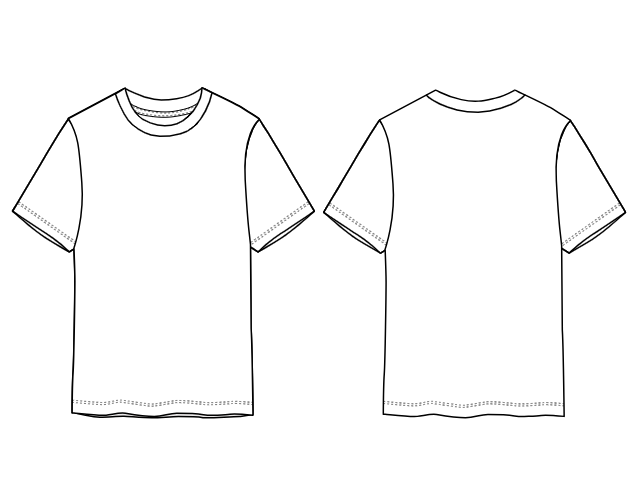
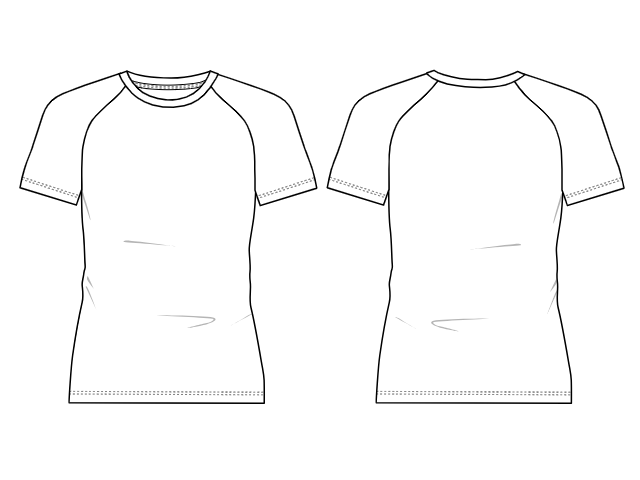
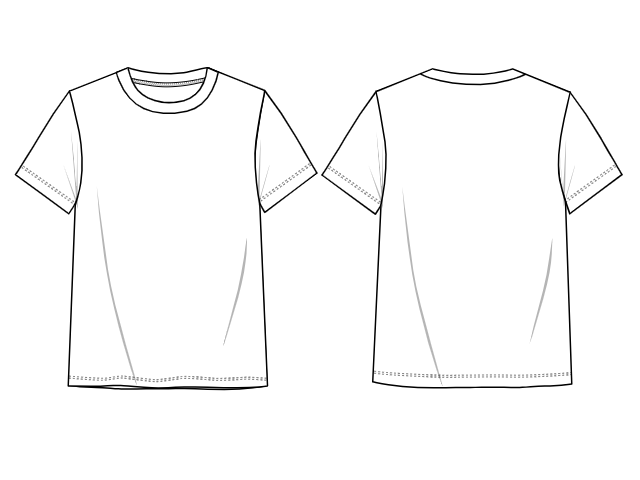
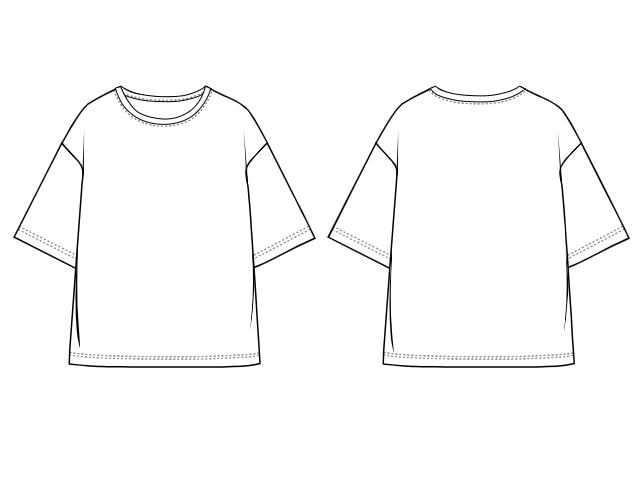
Types of T-shirts based on Length:
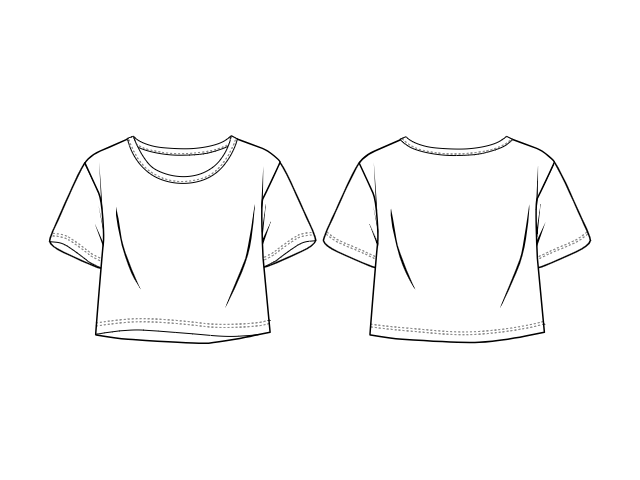
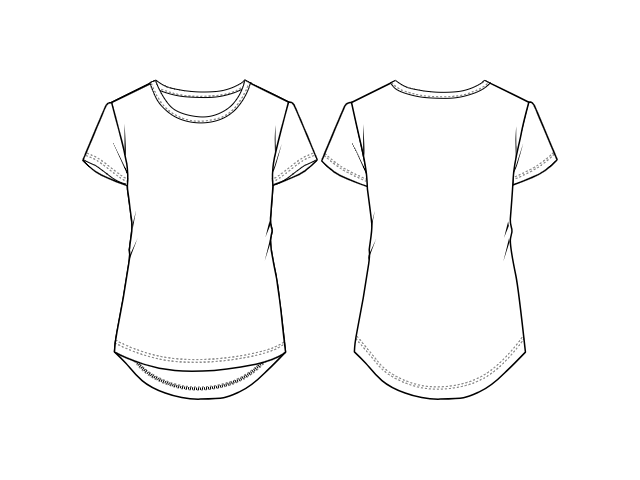
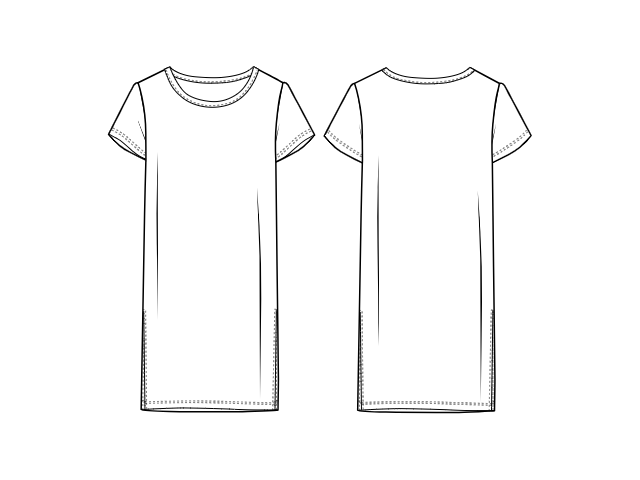
Types of T-shirts based on Neckline:
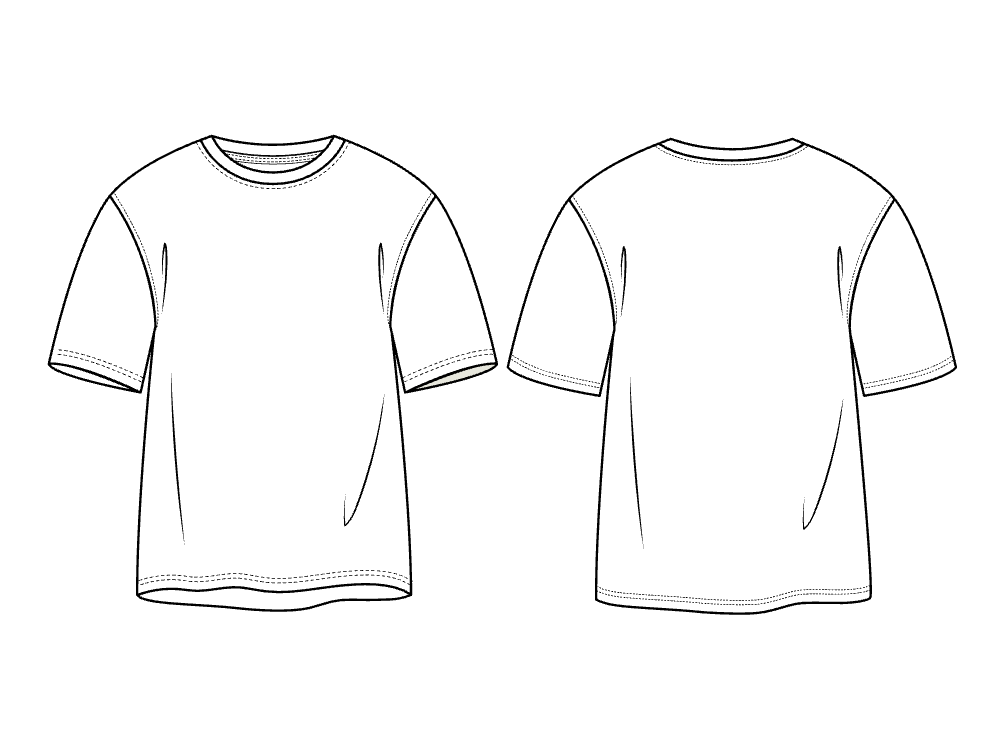
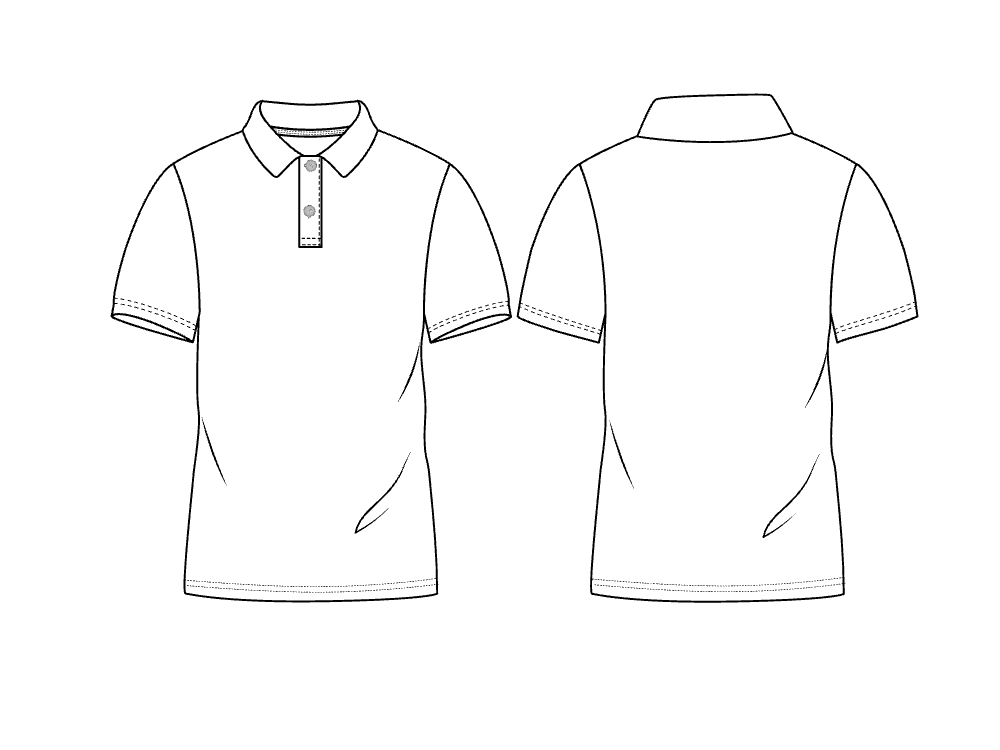
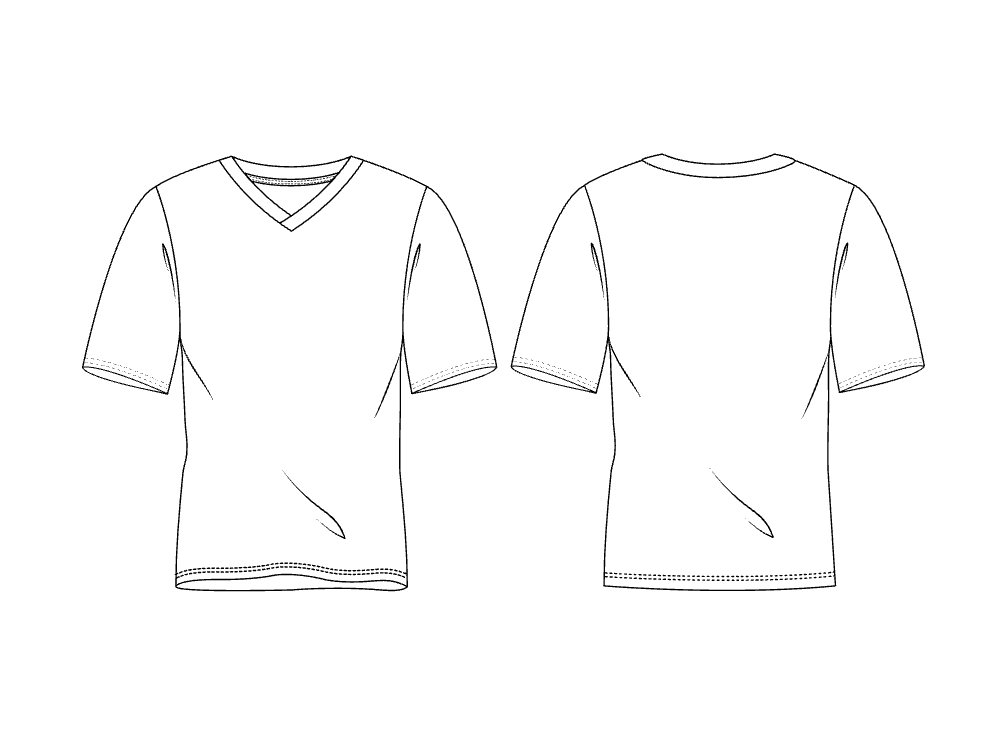
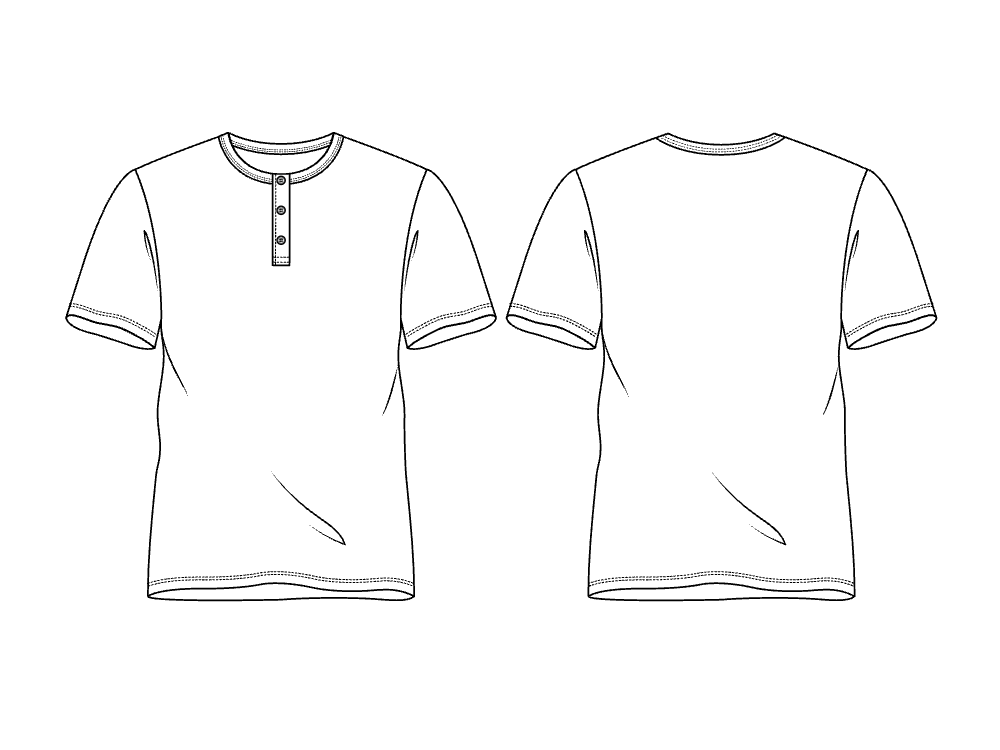
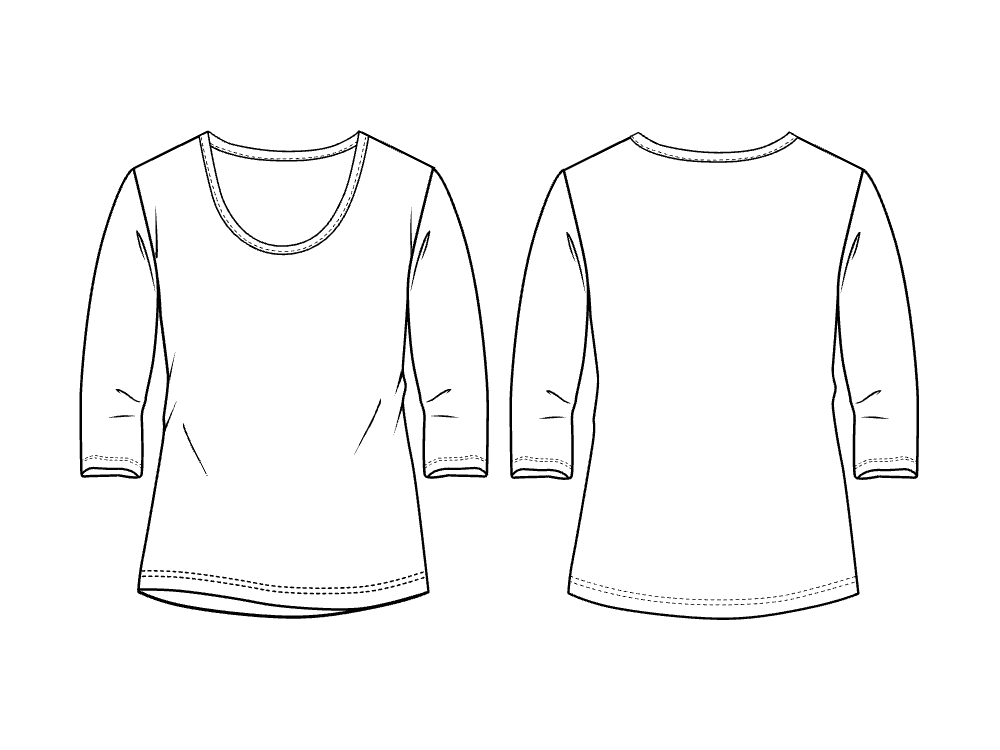
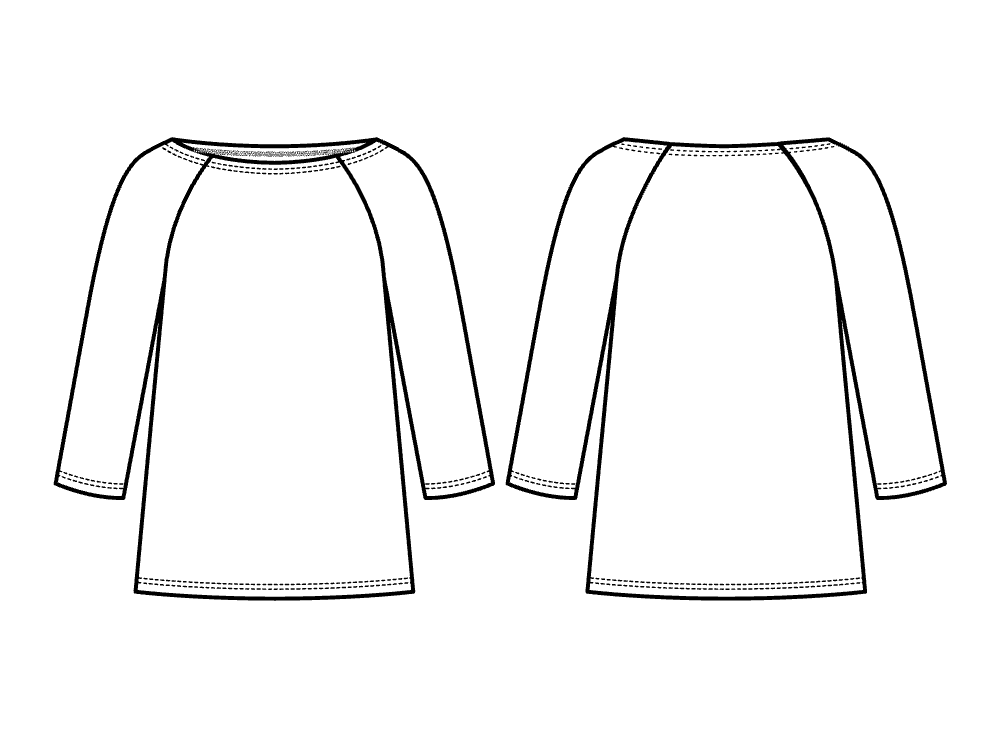
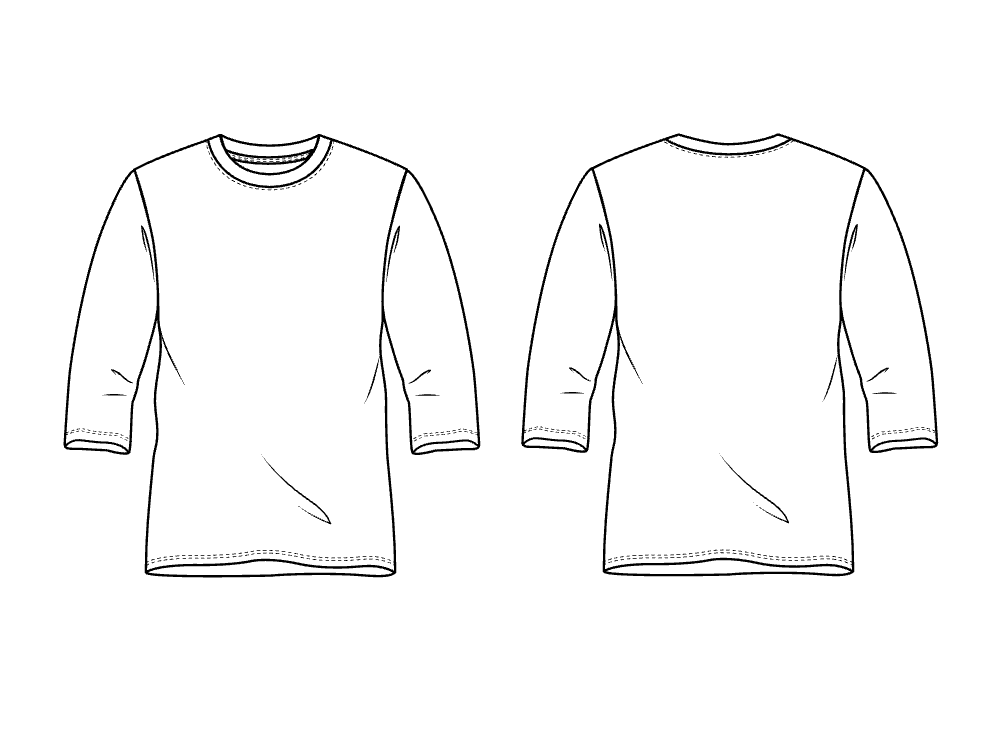
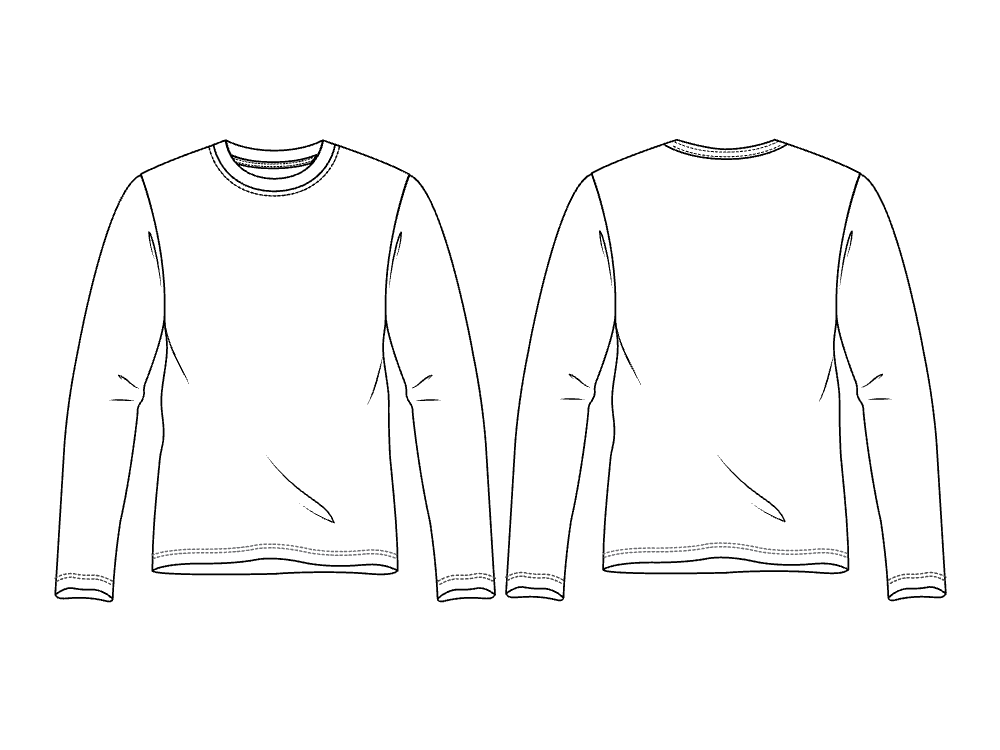
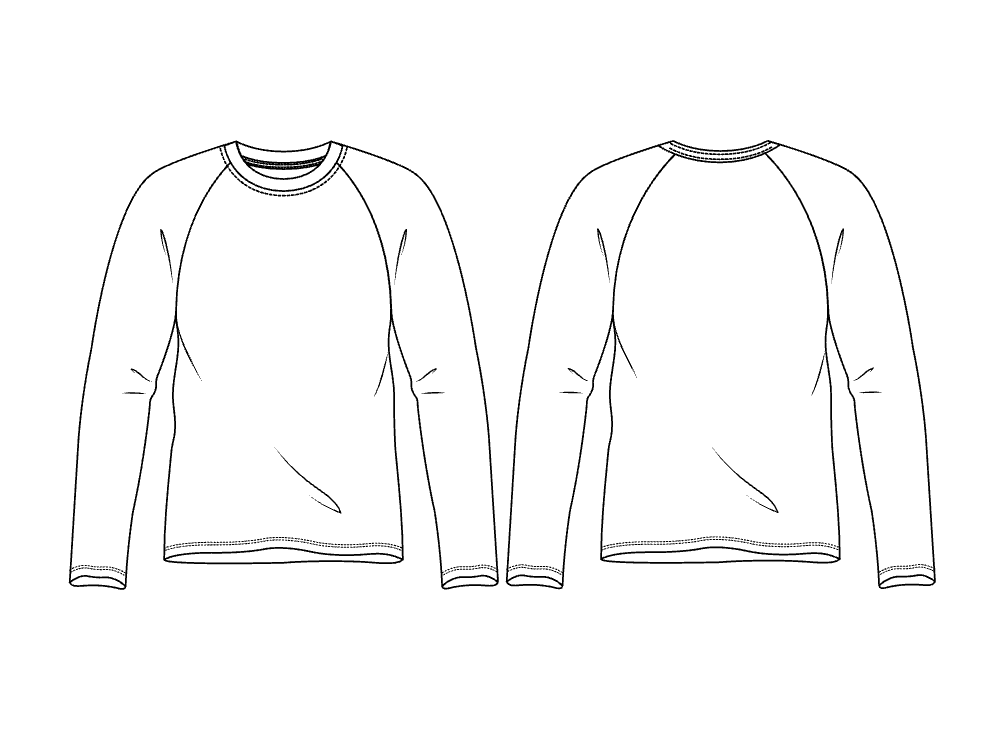
Types of T-shirts based on Sleeve Length:
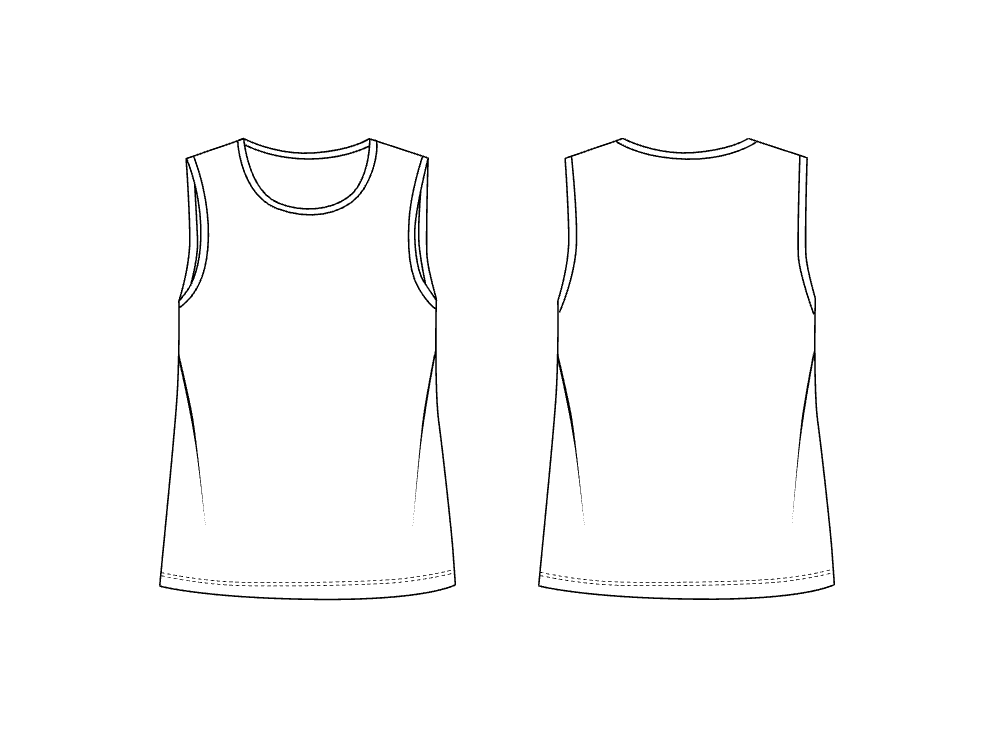
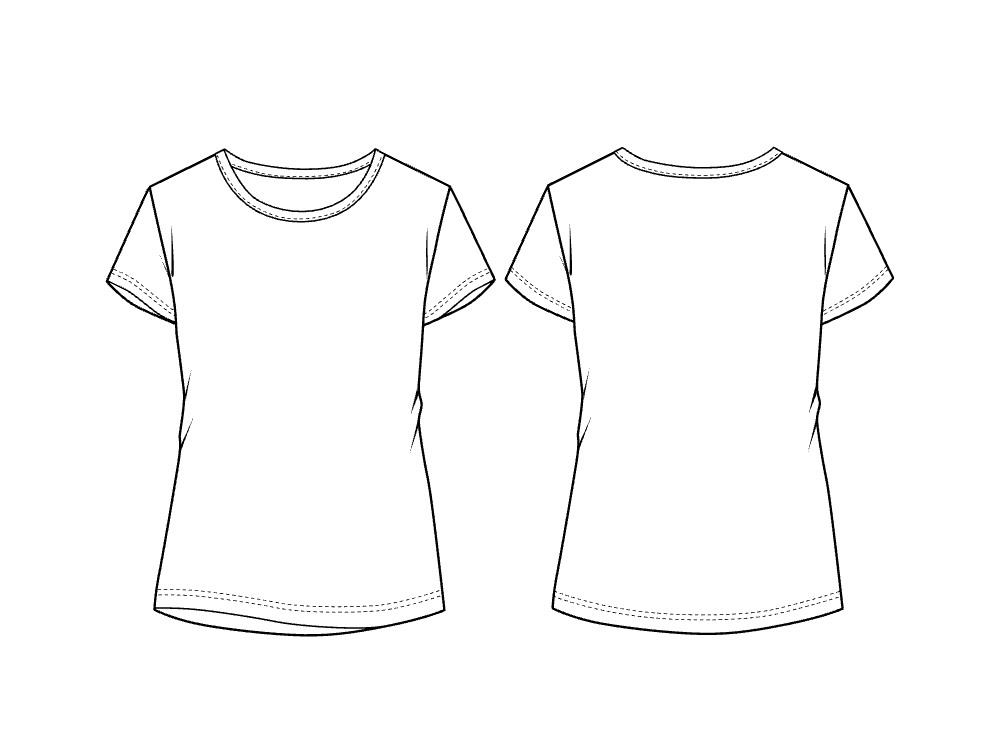
How to Draw a T-Shirts Sketch
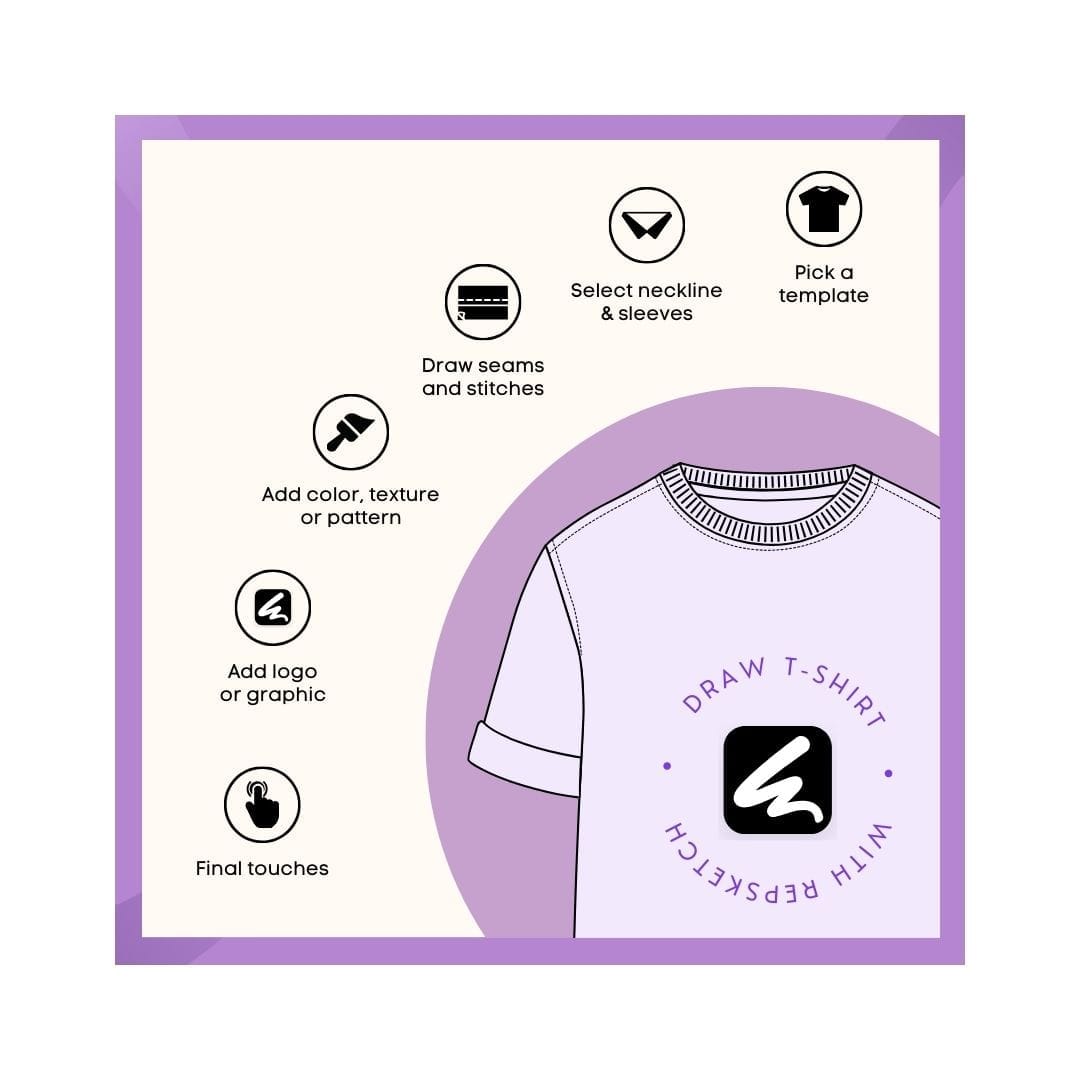
Creating a T-shirt sketch on Repsketch is a breeze. It’s super easy and enjoyable! Repsketch features a vast library of vector sketches from professional designers and a repository of design components to inspire and speed up customization. You can pick anything from a ready-made sketch to the smallest trim. The good news is all these assets are completely editable vectors. Plus, it offers a user-friendly online vector editor for seamless customization.
Convert T-shirt Sketches to 3D Mockups
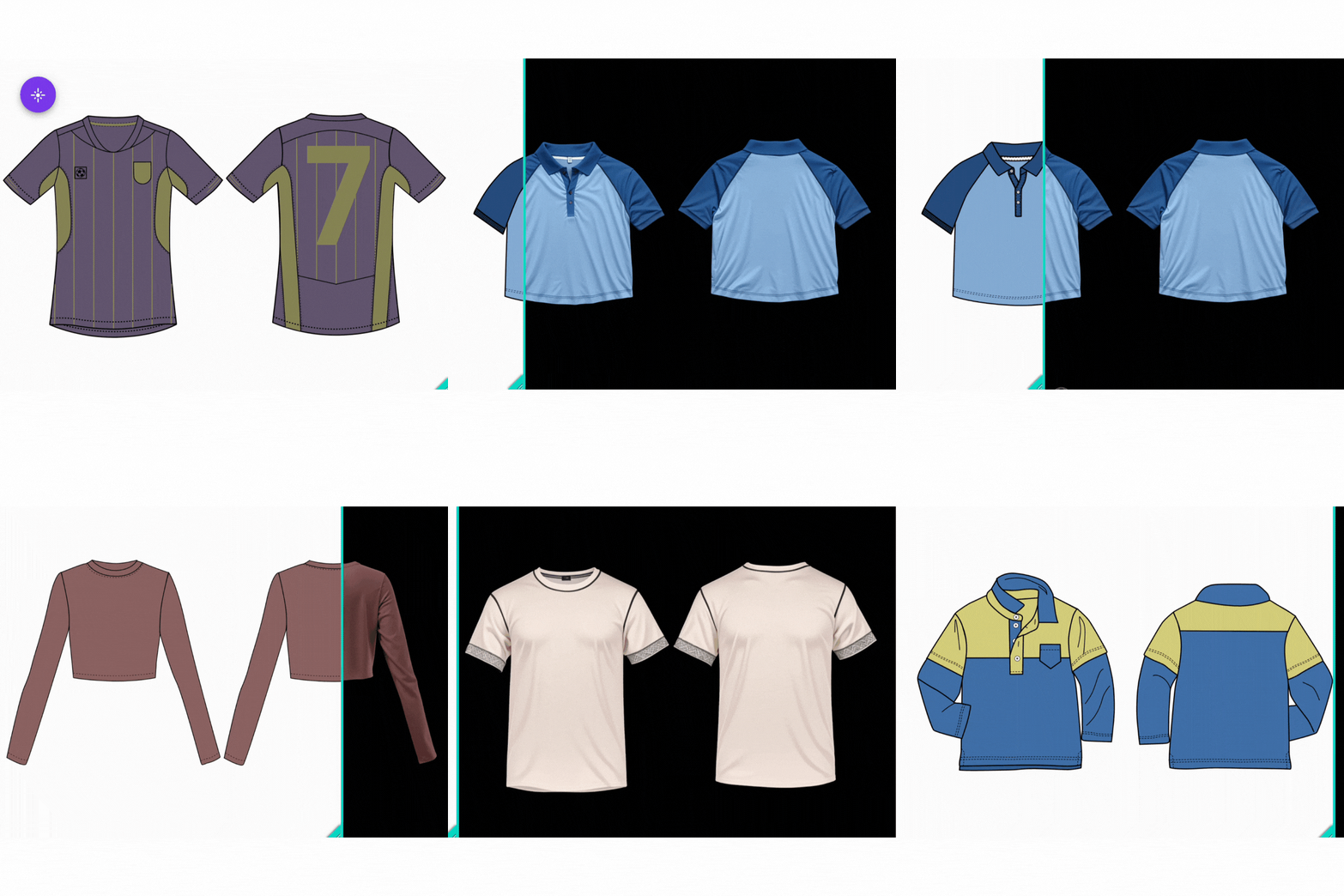
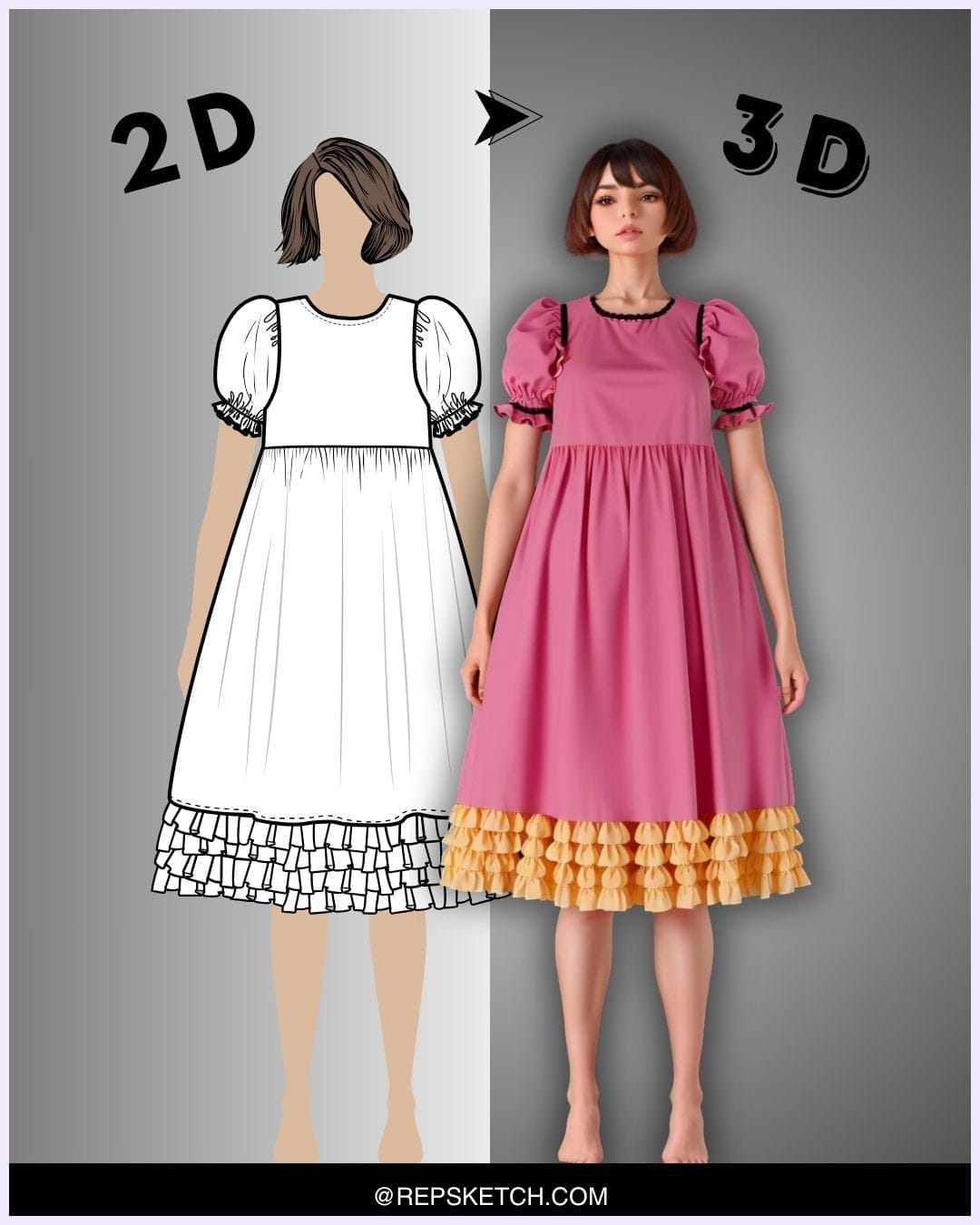
Repsketch offers this cutting-edge tool that uses AI to transform your ideas into photorealistic masterpieces in an instant. With advanced technology and three different modes, you can easily transform your t-shirt flat sketches into lifelike visuals. The creative possibilities are limitless. Experience the magic of turning flat 2D images into high-quality, lifelike 3D visuals with ease and bring your t-shirt sketches to life with Repsketch!
 Kumari Anamika
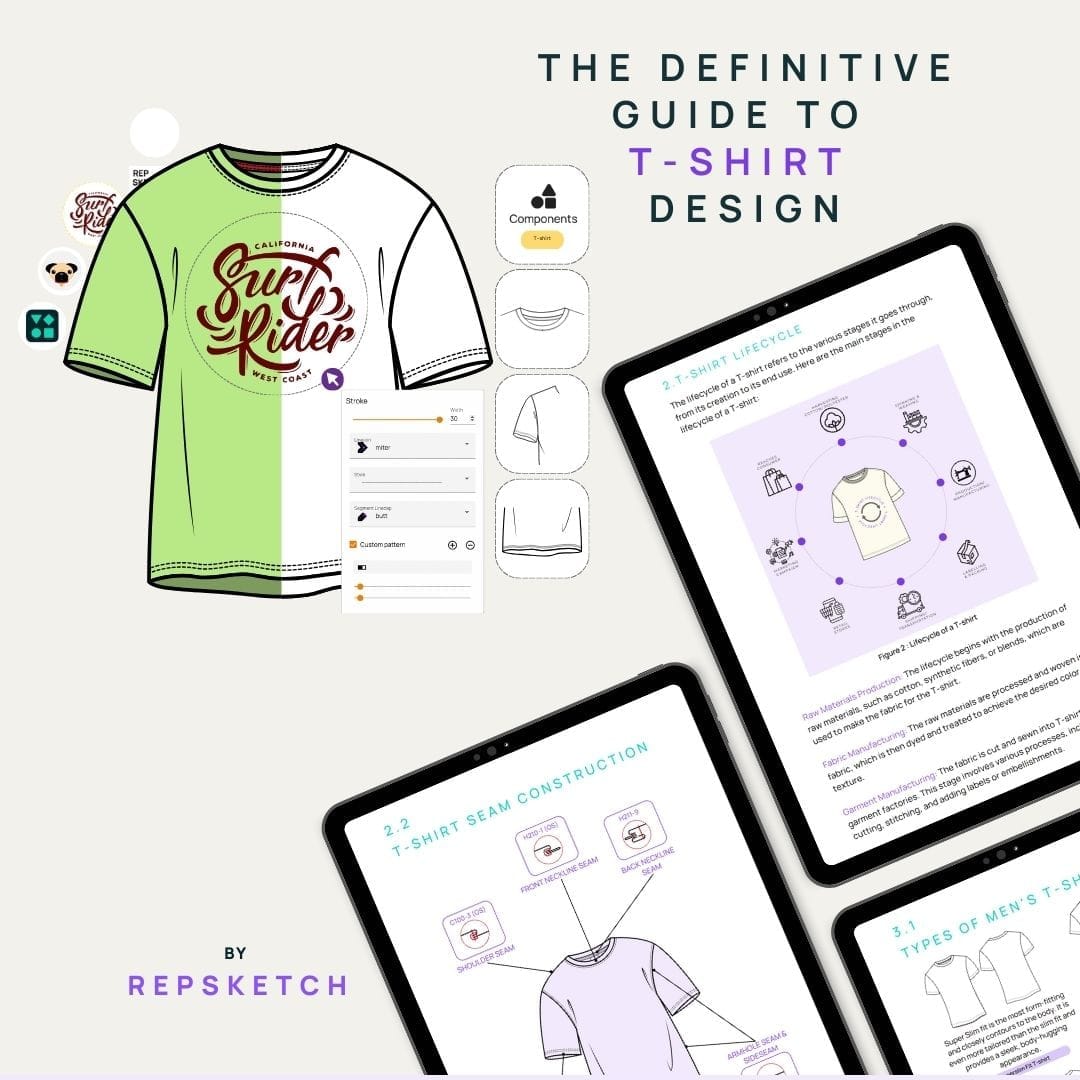
Ebook: Definitive Guide to T-shirt Design
Dive into the intricacies of T-shirt design with our T-shirt designing e-book. Download your key to unlocking limitless creativity!
Bonus: Free T-Shirt Techpack Templates